
Brew method
Pods, grounds, espresso pressure or stovetop heat produce different cups with different routines. Pick the method, then compare machines within it.
Single-serve, pod, espresso, drip, grind-and-brew and stovetop machines compared by the drink you repeat, the batch you brew and the cleanup you will keep up with.

Decide pods, grounds or espresso first. Then match reservoir size to the number of cups you pour on a normal morning and check how the parts come apart for cleaning. The most common trap: buying several drink modes when one simple brewing routine would be easier to maintain.
Pods, grounds, espresso pressure or stovetop heat produce different cups with different routines. Pick the method, then compare machines within it.
One mug a morning and a 10-cup carafe for guests are different jobs. Size the reservoir and carafe to the usual day.
Reservoir position, descaling reminders and how many parts come off for washing decide whether the machine stays pleasant to own.
Counted across every coffee guide on the site. A model that wins several different questions is usually a safe default.
01The K-Express balances a removable 42-ounce reservoir, three serving sizes and a strong button in a straightforward pod-first design.
Buy Now 02
02A 72-ounce reservoir, five cup sizes and hot-water function reduce refilling in a busier household or office.
Buy Now 03
03The K-Mini Mate is designed around a compact, portable single-cup routine and cups up to 12 ounces.
Buy Now 04
04De'Longhi's Classic Signature combines a recognizable semi-automatic format with an adjustable milk frother for espresso and milk-drink practice.
Buy Now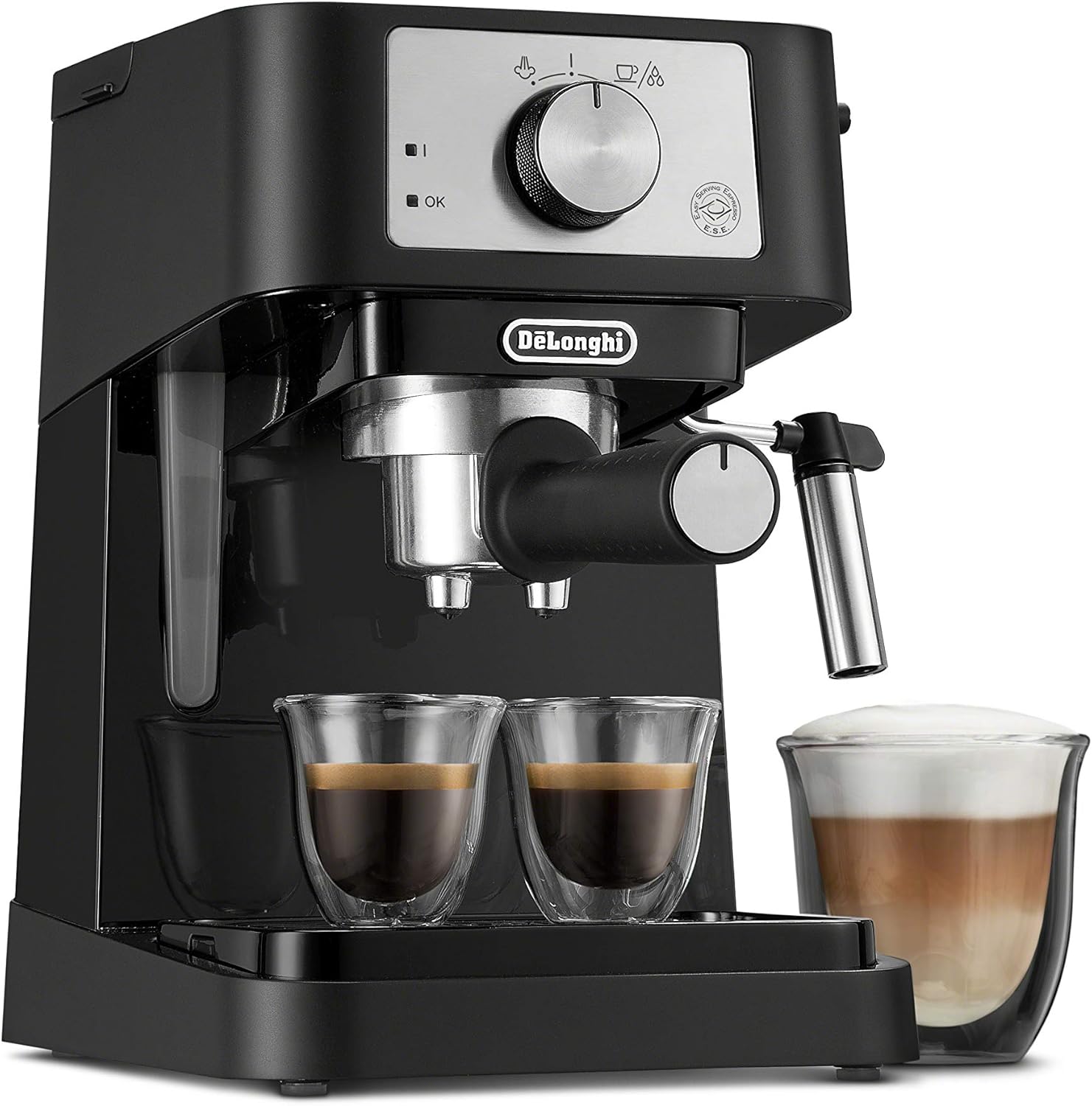 05
05The compact Stilosa offers a manual milk frother and traditional portafilter workflow at a more approachable entry point.
Buy Now 06
06The Ninja Luxe Café combines espresso, drip coffee and cold brew for households that want several drink styles from one system.
Buy NowEach guide opens with a verdict, three picks with a reason to skip each, then the rest of the field.
Coffee makersCompare 47 single-serve coffee makers by pod or grounds compatibility, reservoir size, cup clearance, brew controls, cleaning access and the routine each machine suits best.
Coffee makersCompare 54 home espresso machines by workflow, grinder integration, portafilter style, milk system, water access and the level of technique each machine expects.
 Coffee makers
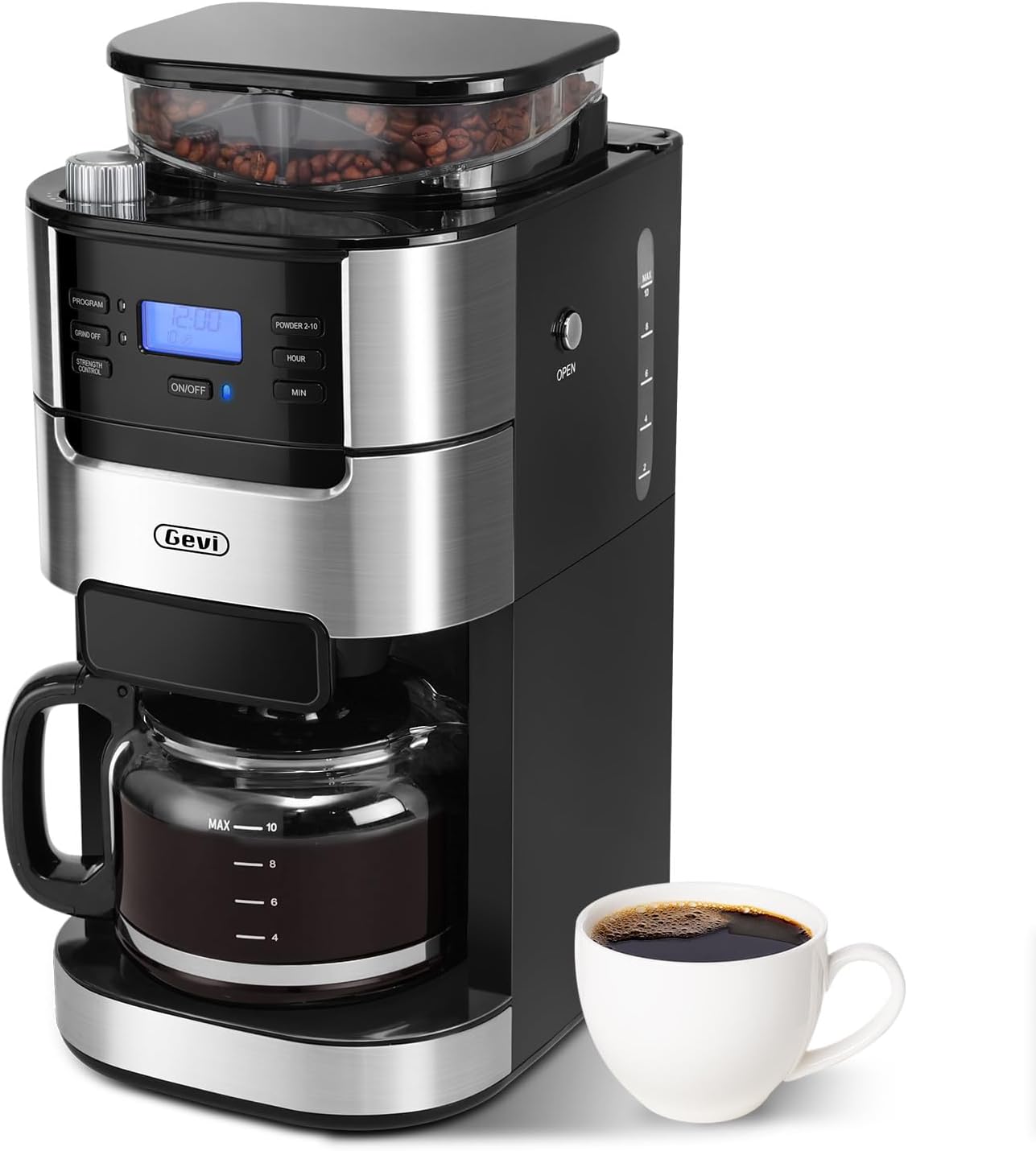
Compare 39 grind-and-brew coffee makers by grinder type, bean path, batch flexibility, bypass mode, carafe format and the cleaning needed between hopper and brew basket.
Coffee makersCompare 36 pod coffee makers by capsule compatibility, reservoir size, cup options, grounds flexibility, iced settings, counter footprint and descaling routine.
 Coffee makers
Compare 39 small coffee makers by real footprint, mug or carafe capacity, reservoir access, storage clearance, brew format and the cleanup expected in a tight kitchen.
 Coffee makers
Compare 49 stovetop coffee makers by moka or percolator method, cup definition, hob compatibility, handle clearance, gasket care and the brew style each design produces.
 Coffee makers
Compare 52 drip coffee machines by batch size, showerhead and basket workflow, glass or thermal carafe, small-batch mode, programmability and cleaning access.
Coffee makersCompare 42 one-cup brewers across pods, fresh grounds, pour-over and compact cold brew by drink size, setup time, cup clearance, cleanup and ongoing coffee cost.
Read this once and the individual guides get shorter and clearer. Dimensions, included parts and care instructions change by model revision, so confirm the current manual before ordering.
Pod machines trade per-cup cost for speed and zero measuring. Drip and single-cup grounds brewers cost less per cup and give you control over the coffee but add scooping and a filter. Espresso machines concentrate the coffee and open up milk drinks, but the result depends on grind, dose and practice. Choosing the method first keeps you from comparing machines that solve different problems.
A 42-ounce reservoir refilled every other day suits one or two drinkers. A 72-ounce tank or a 12-cup carafe is for households that pour several cups at once. Oversizing means stale coffee on a hot plate; undersizing means refilling before the second cup.
Minerals build up in every heated water path. Machines with a removable reservoir, a visible descale reminder and a drip tray that lifts out are easier to keep on schedule. Stovetop pots skip electrics entirely but need hand washing and gasket replacement.