
Jar geometry
A narrow personal cup keeps a small batch on the blade; a wide pitcher needs volume to circulate. Pick the vessel for your normal batch first.
Compare personal cups, full-size pitchers, immersion sticks and kitchen systems by what you actually blend and the cleanup you will tolerate.

Start with serving size and the hardest weekly ingredient. Choose personal cup, pitcher, immersion or processor system before you compare motors. The most common trap: a family pitcher when every drink is a single serving.
A narrow personal cup keeps a small batch on the blade; a wide pitcher needs volume to circulate. Pick the vessel for your normal batch first.
Frozen mango, ice and dates load a motor very differently from banana and yogurt. The toughest recipe you make every week sets the power requirement.
Cups, lids, gaskets and blade assemblies wear. Check that the exact model's parts are sold separately before committing.
Counted across every blenders guide on the site. A model that wins several different questions is usually a safe default.
01A stronger full-size system is the better value when ice and frozen fruit are weekly essentials.
Buy Now 02
02It gives a single-serve routine enough power for common frozen fruit and greens while staying compact and mechanically simple.
Buy Now 03
03Variable speed control, a 64-oz container and a professional-grade motor suit cooks who blend frequently and care about texture across many recipes.
Buy Now 04
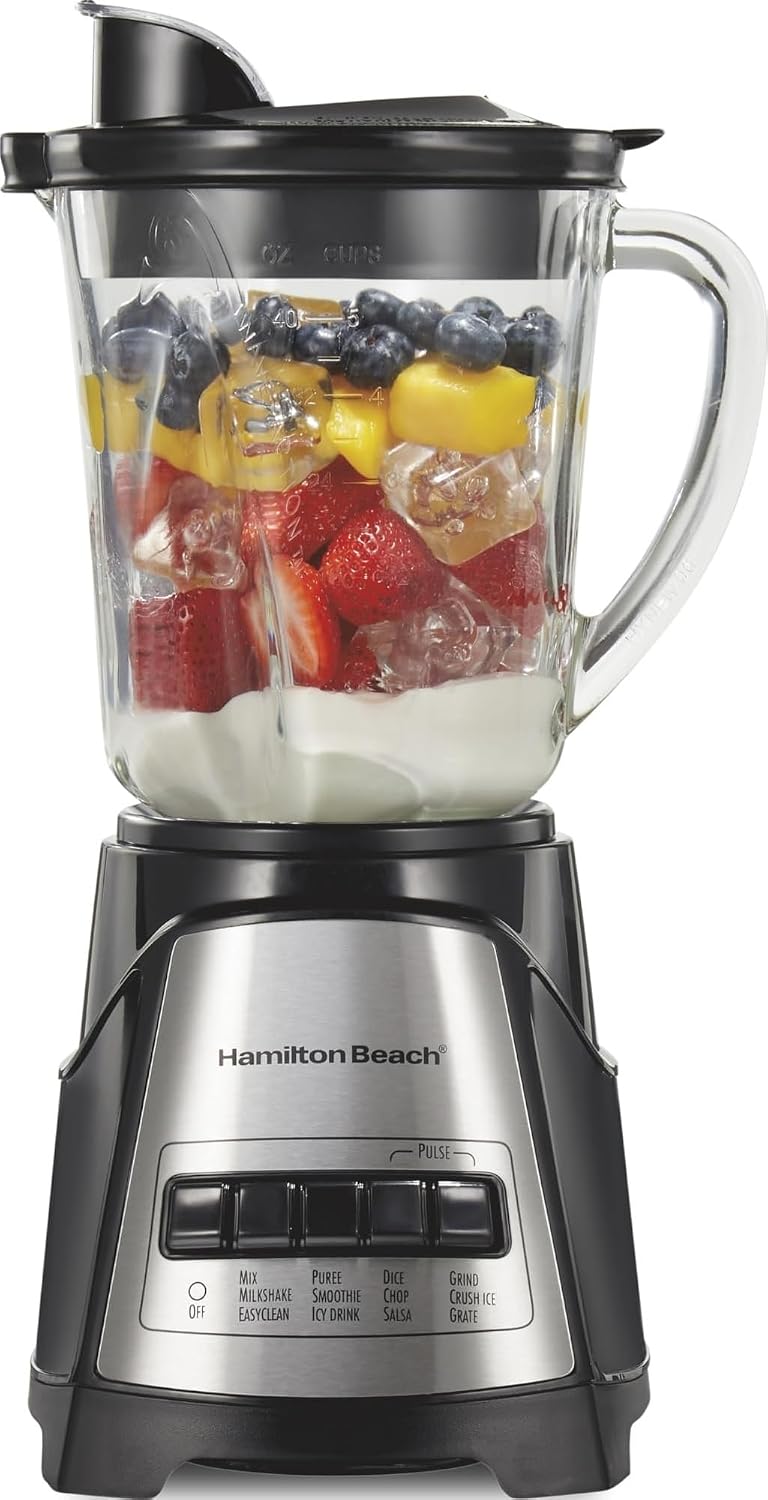
04The hybrid pitcher-and-cup setup broadens the workflow and adds more power without jumping to premium pricing.
Buy Now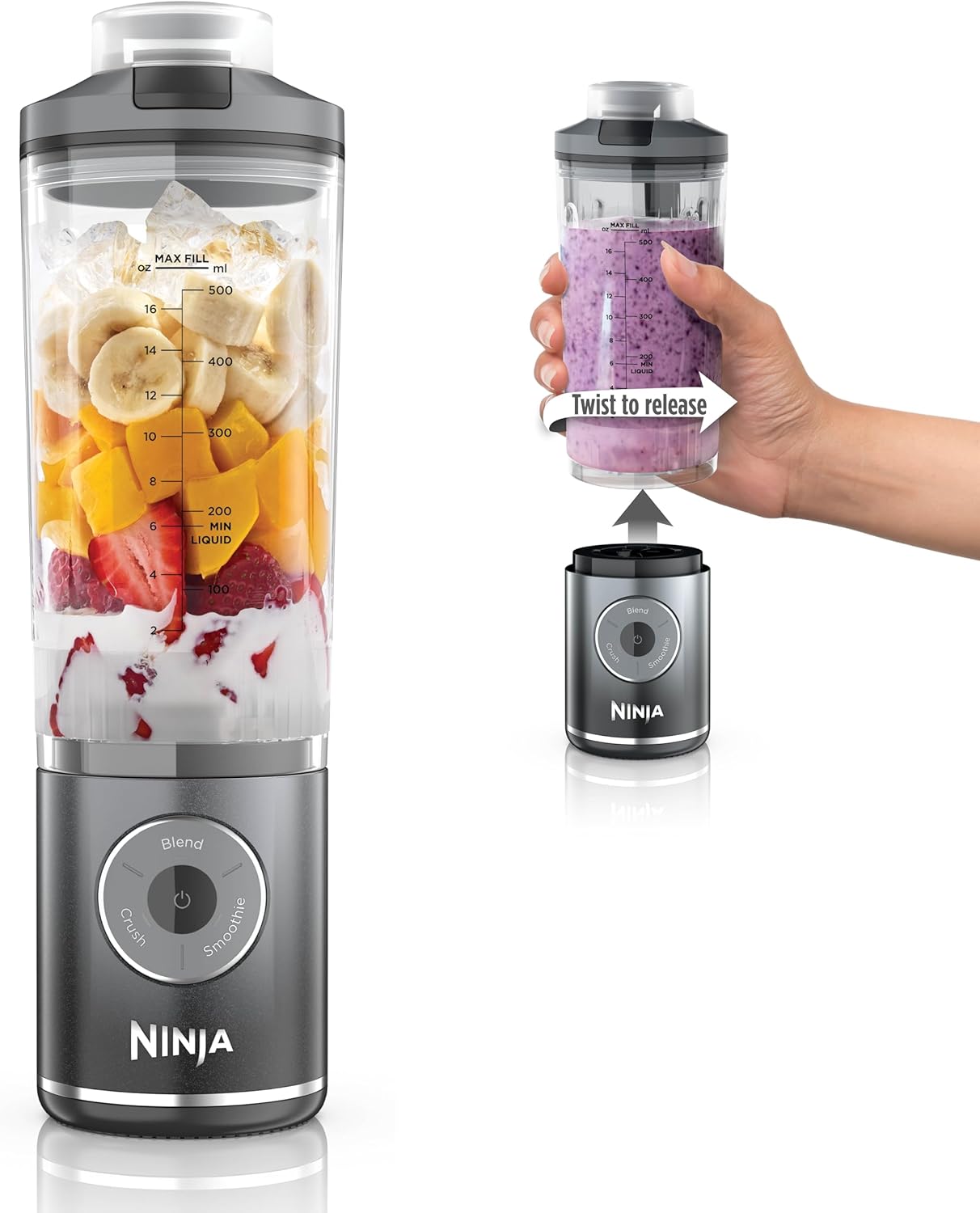 05
05The detachable motor base and larger vessel make true on-the-go blending more practical than carrying a full motor-and-cup assembly.
Buy Now 06
06The moving ActiveBlade shaft and responsive speed control give a serious cook more range across soup, puree, hummus and chopping tasks.
Buy NowEach guide opens with a verdict, three picks with a reason to skip each, then the rest of the field.
 Blenders
A cheap blender can handle shakes and softer smoothies—if expectations match the motor, jar and ingredients.
BlendersA small smoothie blender should reduce steps from ingredients to drinking cup—not create a tiny jar that stalls on every frozen berry.
 Blenders
Portable means more than a carry loop: compare cup weight, battery cycles, charging protection and realistic frozen-fruit ability.
BlendersThe right hand blender controls suction and splatter, reaches the pot comfortably and cleans faster than transferring hot soup to a pitcher.
BlendersAffordable is not the same as cheapest: these picks spend money where texture, jar workflow and replacement support matter.
BlendersDecide between a personal blender, family pitcher, premium workhorse and multi-attachment kitchen system before comparing small features.
BlendersIce crushing depends on blade geometry, jar circulation and batch size—not a peak-watt number by itself.
BlendersChoose by serving size and fruit texture, then use ingredient order to improve smoothness without overloading the motor.
BlendersFor most shakes, cup design and cleaning speed matter more than extreme motor power—until frozen fruit, oats and nut butter join the recipe.
 Blenders
A combo saves motor-base space, not attachment space. Buy one only when the processor bowl and blades match real weekly prep.
BlendersA practical shortlist spanning personal cups, value pitchers, frozen-drink machines and premium texture specialists.
Read this once and the individual guides get shorter and clearer. Dimensions, included parts and care instructions change by model revision, so confirm the current manual before ordering.
A personal cup keeps a small batch close to the blade and usually becomes the drinking vessel. A full-size pitcher has room for a family batch but needs enough volume to circulate. An immersion blender brings the blade to the pot so hot soup never moves. A processor system adds chopping and dough by swapping the bowl. These are different tools, not sizes of one product.
Banana, yogurt and protein powder are easy. Frozen mango, ice, dates, fibrous kale, berry seeds and nut butter load a blender in very different ways, and peak wattage alone cannot predict the result because jar taper, blade reach and speed control decide whether ingredients circulate or form a pocket. Buy for the tough recipe you make every week, not the smoothie bowl you make twice a year.
Pitchers usually want liquid first, then soft items, then frozen. Inverted personal cups load in the opposite order before flipping onto the base. Powder sticks to a dry wall; oversized frozen chunks bridge above the blade. Follow the model's fill line, and if a blend stalls, unplug before you redistribute anything.
Never put hot liquid in a sealed personal cup unless the manual says the system is designed for it; steam builds pressure. Rinse promptly after cold blends so protein, fruit fiber and nut butter do not dry under threads and gaskets, wash only the parts the manual names, and keep the motor base dry.