
Cooling type
Compressor units hold temperature in a warm kitchen; thermoelectric units are quieter but struggle above about 77°F room temperature.
Compressor, thermoelectric, freestanding and built-in wine and beverage fridges compared by bottle count, cooling type, noise, venting and where they actually fit.
Decide built-in or freestanding from where the cooler will live. Then choose compressor or thermoelectric based on room temperature and noise, and only then compare bottle counts and zones. The most common trap: installing a freestanding, rear-venting cooler into a closed cabinet.
Compressor units hold temperature in a warm kitchen; thermoelectric units are quieter but struggle above about 77°F room temperature.
Built-in units vent from the front and can slide under a counter. Freestanding units vent from the back and need clearance on every side.
Two temperature zones store reds and whites properly; shelves that slide out and accept wider bottles matter more than a high bottle count.
Each one answers a different question in the wine coolers guides. Open the guide for the full reasoning and the rest of the field.
 01
01A 24-inch front-venting cabinet with two independent temperature zones, LED lighting and space for 40 bottles covers wine and drinks in one flush installation.
Buy Now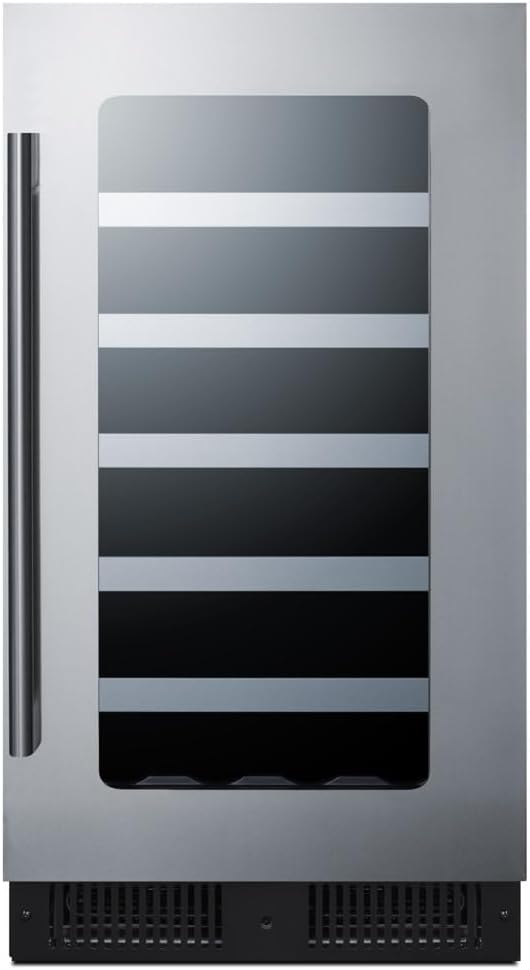 02
02Summit's stainless-and-glass CL18WC is built for a standard 18-inch opening, which is the slot most kitchens can spare.
Buy Now 03
03A 33-bottle compressor cooler with two zones and a lock delivers proper red-and-white storage without any cabinetry work.
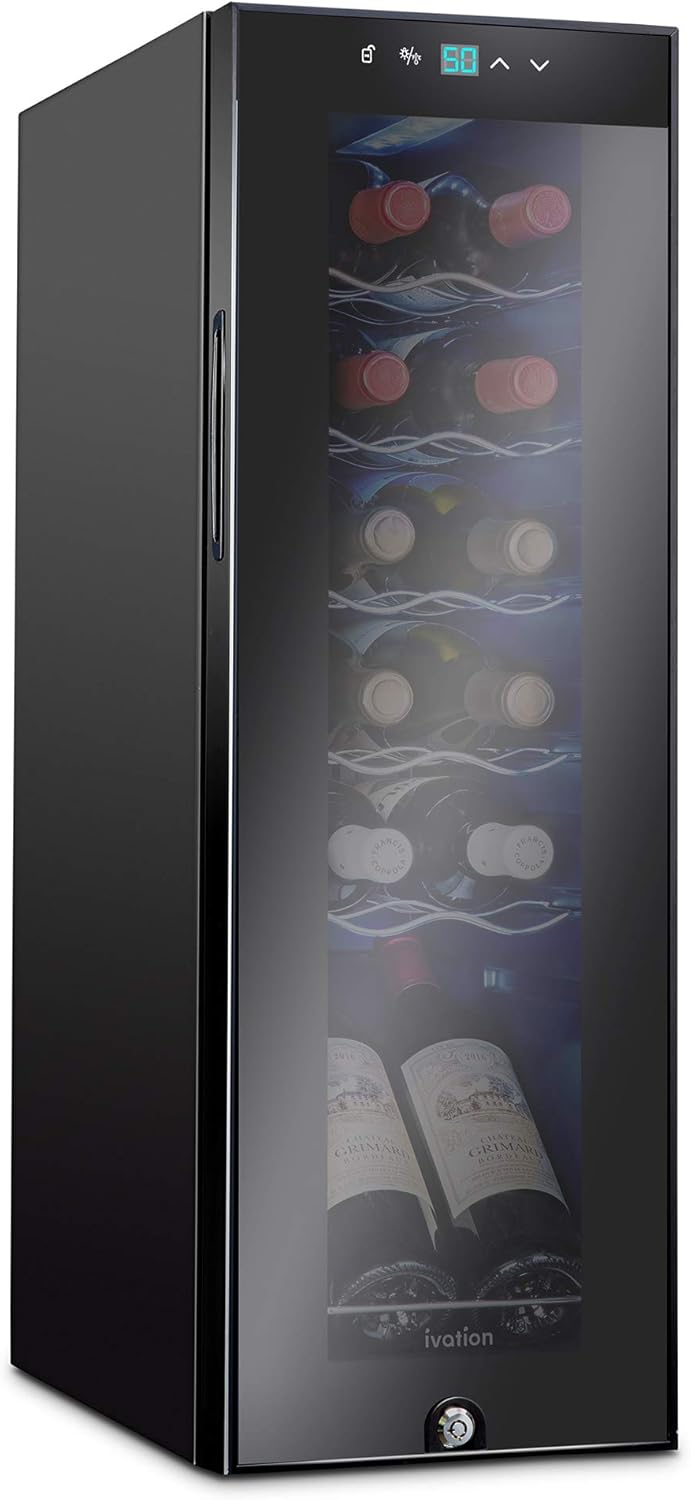
Buy Now04Compressor cooling keeps twelve bottles at cellar temperature even when the oven is on, and the lockable, freestanding cabinet fits at the end of a counter run.
Buy Now 05
05Cuisinart's 8-bottle Private Reserve is small enough for a countertop, quiet enough for an open kitchen and simple to set and forget.
Buy Now 06
06The SPT WC-3302 is a commercial-grade 33-bottle unit built to slide under a counter and run all day.
Buy NowEach guide opens with a verdict, three picks with a reason to skip each, then the rest of the field.
Wine coolersNewDual-zone, under-counter and freestanding wine and beverage fridges compared by venting, cooling type, bottle and can capacity, noise and the cabinet cut-out they actually need.
Wine coolersNewCountertop, freestanding and under-counter wine coolers compared by cooling type, bottle capacity, noise, footprint and how well each one copes with a warm, busy kitchen.
Read this once and the individual guides get shorter and clearer. Dimensions, included parts and care instructions change by model revision, so confirm the current manual before ordering.
Compressor coolers work like a refrigerator: they reach and hold cellar temperatures in a warm kitchen, and they handle larger capacities. They hum and vibrate slightly, which matters next to a dining table. Thermoelectric coolers use a Peltier module with no compressor, so they are quiet and vibration-free, but they can only cool about 20°F below room temperature and lose ground in a warm room.
A true built-in or under-counter model pushes warm air out through a front grille, so it can sit flush in a cabinet cut-out. A freestanding model vents from the back and sides and needs several inches of clearance. Putting a freestanding unit in a closed cabinet shortens its life and raises the temperature inside.
Capacity ratings count slim 750 ml bottles. Burgundy, Champagne and larger-shouldered bottles take more room, so a 12-bottle rating can become nine in practice. Look for removable or adjustable shelves and check the interior depth against the bottles you actually buy.
A dual-zone cooler keeps reds around 55°F and whites nearer 45°F in the same cabinet. A lock is useful in a family kitchen; LED lighting should be switchable because light speeds wine aging. Glass doors should be UV-tinted if the cooler sits in sunlight.