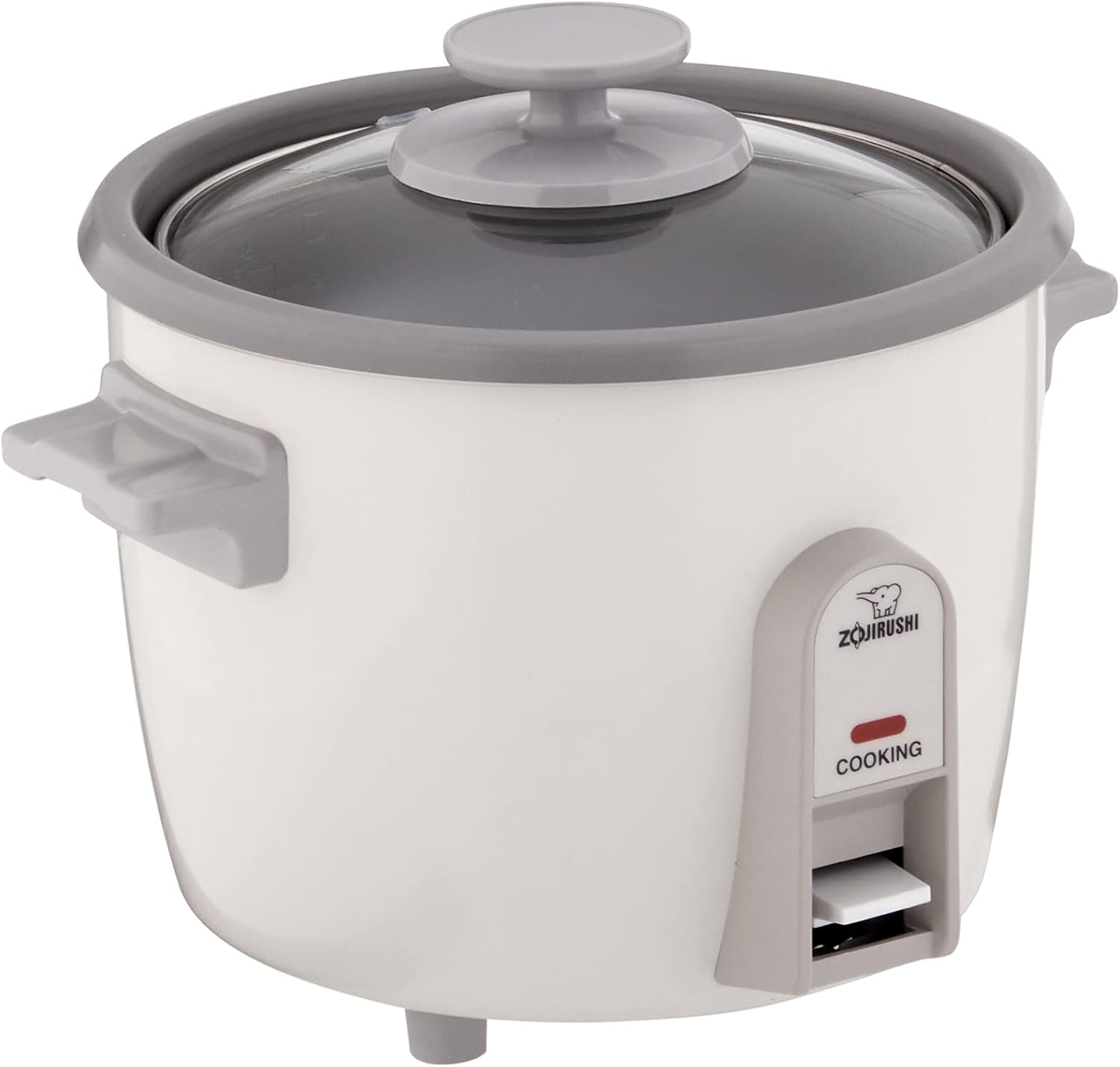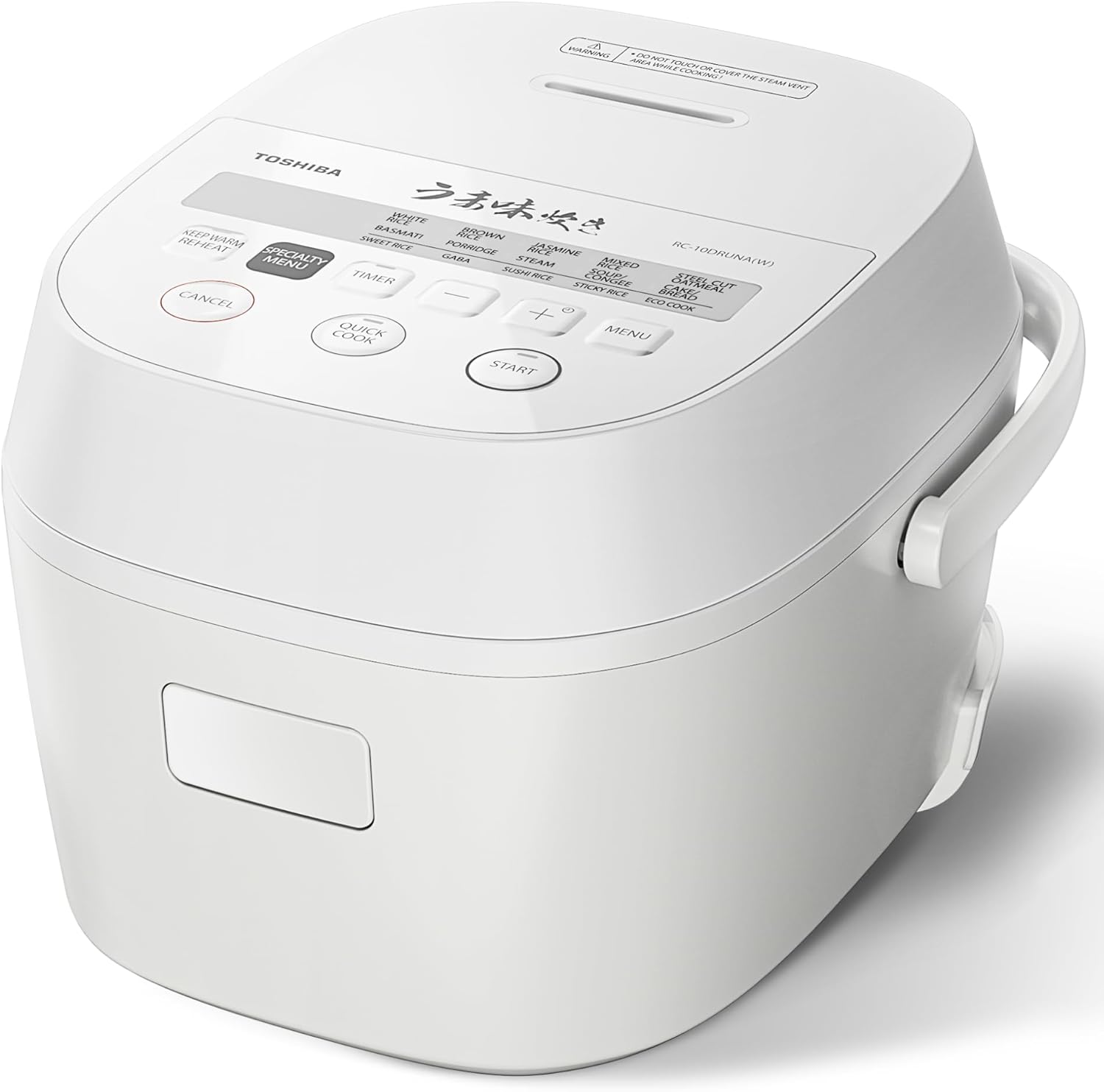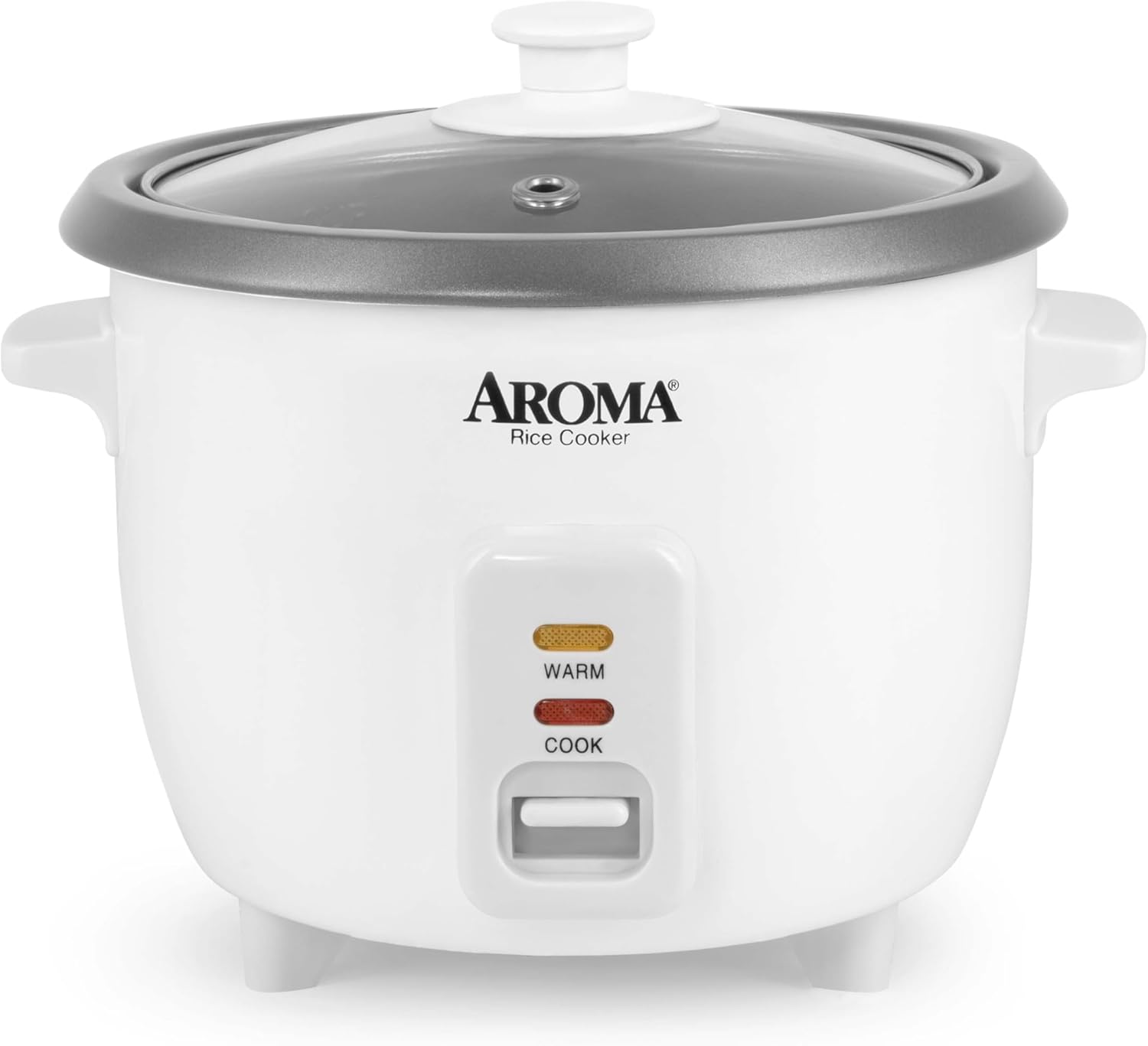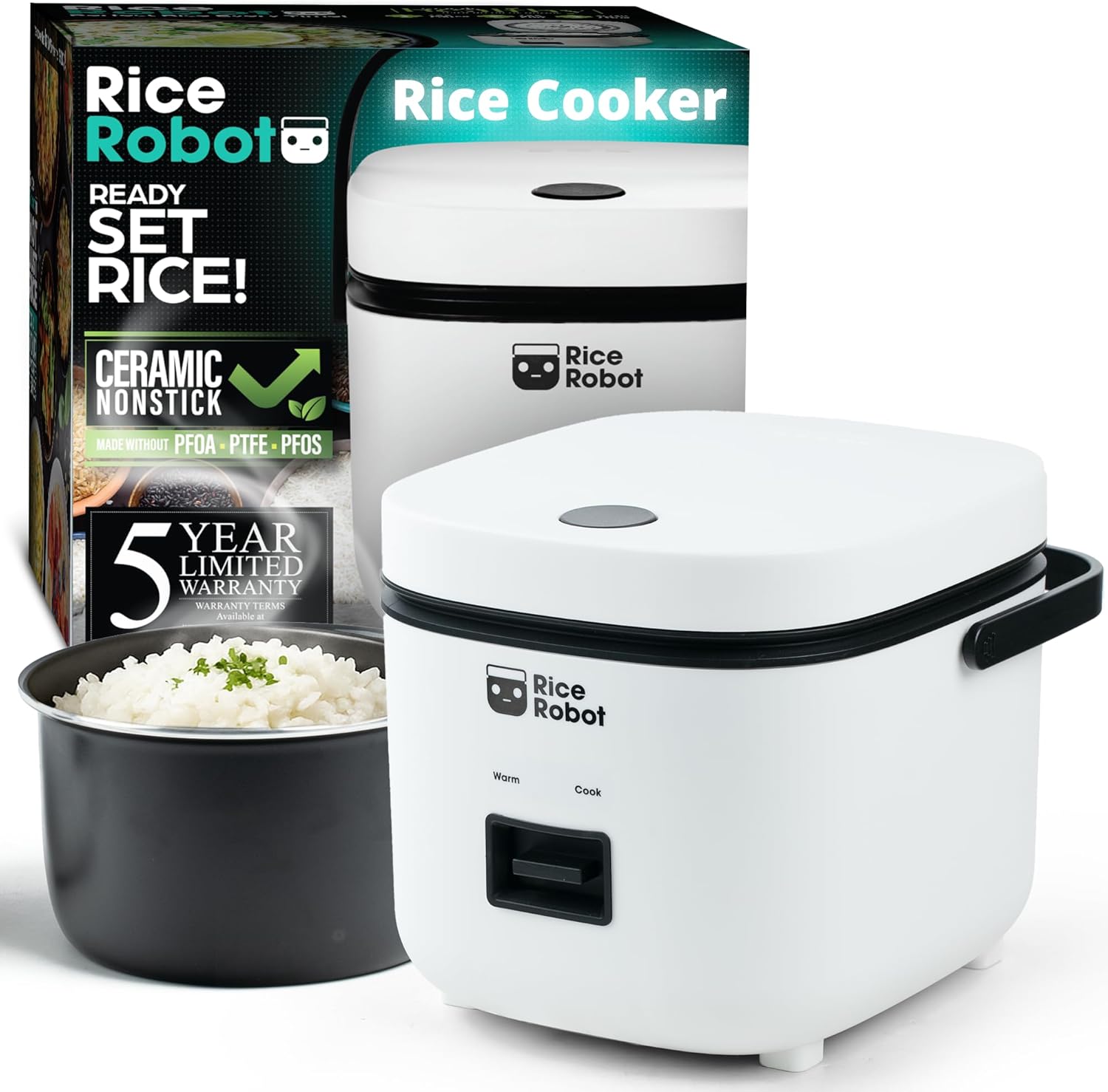
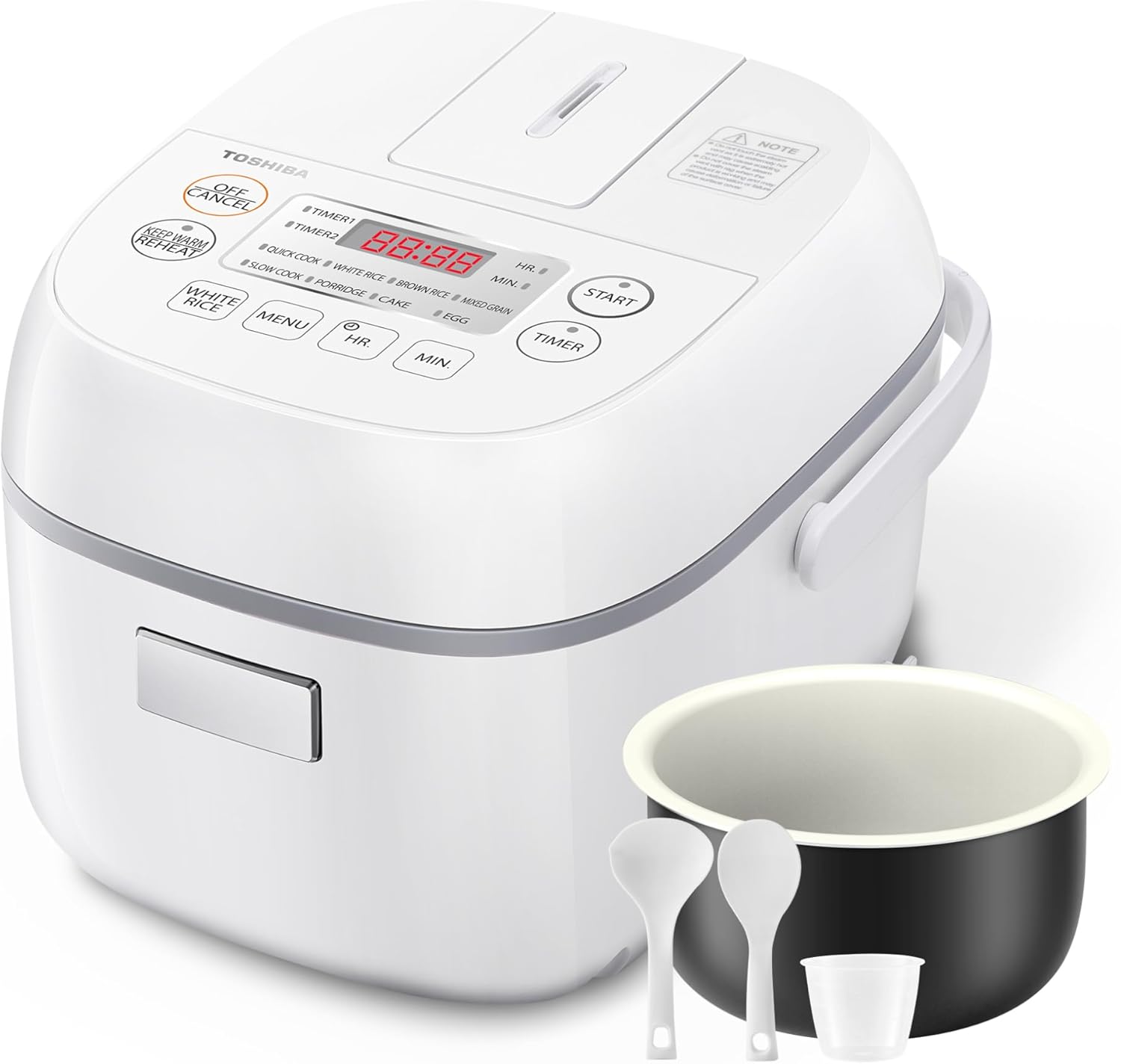
The Toshiba 3-cup fuzzy-logic cooker is the best starting point for most one-to-three-person kitchens.
Its three-cup uncooked capacity is small enough for everyday batches but more flexible than a one-button mini pot. Choose the Zojirushi Micom when control refinement and portability matter more than price, or the BLACK+DECKER when simple rice and steaming are the whole job.
A small rice cooker should improve the batch you make most often, not merely occupy less counter space. The useful number is uncooked capacity and minimum reliable batch—not a vague serving claim. One cup of uncooked rice produces several cooked portions, so a three-cup cooker can already cover a small household and leftovers.
Control style changes the experience. Basic switch cookers are fast to understand and inexpensive, while micom or fuzzy-logic models adjust heat and timing when water ratio or grain type varies. The smarter model is worth paying for when you rotate among white rice, brown rice, mixed grains or porridge; it is unnecessary when the same white-rice batch appears every evening.
Pot shape, lid access and keep-warm quality matter after the cycle ends. Check whether the inner lid removes, whether condensation collects in an accessible area and whether replacement pots remain available. A compact cooker that is awkward to wash or dries rice during a long keep-warm period is not a good daily fit.
Choose capacity by uncooked rice—not by the word ‘mini’
Rice-cooker labels mix uncooked cups, cooked cups and servings. Compare the measurement printed in the manual and plan around your normal batch, including whether you want leftovers.
- One- to two-cup mini cookers suit a solo portion but offer little room for meal prep.
- Three cups uncooked is the most flexible compact size for one to three people.
- Five- or six-cup models are no longer truly small for many counters, even when marketed as compact.
- A fuzzy-logic model helps when grain type and water absorption change from meal to meal.
- A one-switch cooker is the easier value choice for one repeatable rice-and-water routine.
Check the pot, lid and keep-warm routine before buying
The daily difference is often cleaning and holding quality rather than cooking speed. Check the exact manual for removable pieces and safe utensil use.
- Confirm whether the inner lid and steam vent detach for washing.
- Use the included measuring cup because rice-cooker cups can differ from a US cup.
- Protect a coated inner pot from metal utensils and abrasive pads.
- Choose delay start only for ingredients the manufacturer permits to sit before cooking.
- If rice stays on keep warm for hours, prioritize a model known for moisture control over extra menu buttons.